Python set difference_update() Method
A.difference_update(*others) removes from A every element found in the other iterables and returns None. It changes the original set in place because sets are mutable.
If you need a new result while keeping A unchanged, use difference() or the - operator.
Set order: sets are unordered. Whenever an example prints a set, the displayed element order can differ between runs or Python environments.
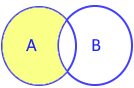
Using difference_update() method
A={'a','b','c'}
B={'a','y','z'}
A.difference_update(B)
print(A){'c','b'}Using More Than Two Sets
We can use any number of sets with difference_update()A={'a','b','c'}
B={'a','y','z'}
C={'a','c','l'}
A.difference_update(B,C)
print(A){'b'}difference_update() method
Using string ( iterable object ) with difference_update() methodA={'a','b','c','x','y'}
B='Alex'
A.difference_update(B)
print(A){'c', 'y', 'a', 'b'}A={'a','b','c'}
B=['a','x','y']
A.difference_update(B)
print(A){'c', 'b'}difference() union() intersection() symmetric_difference()

Subhendu Mohapatra
Author & Instructor at plus2net
I write and maintain practical tutorials on Python, PHP, SQL, JavaScript, HTML, jQuery, and web development at plus2net. The tutorials focus on clear explanations, working examples, and code that readers can test and adapt while learning.
Connect:


Subscribe to our YouTube Channel here
This article is written by plus2net.com team.
https://www.plus2net.com

 Python Video Tutorials